
A vineyard photography tour in France pairs golden-hour shoots in the vines with cellar visits and tastings, led by a photographer who knows the light. The Loire valley, the lavender fields of Provence and the stone villages of Burgundy and Alsace give each photo trip a different palette.
Light, place and season in three lines
- When
- Sunrise and the hour before sunset, from late June lavender in Provence to October harvest colour.
- Where
- Loire valley châteaux, Provence village and lavender scenes, Bordeaux and Saint-Emilion estates, the Alsace wine road.
- Format
- Small groups with an expert guide, morning and evening photography, tasting sessions at midday.
How a vineyard photography tour in France is organised
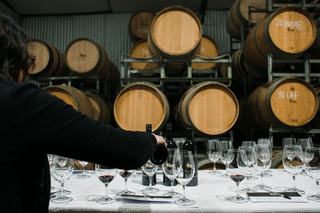
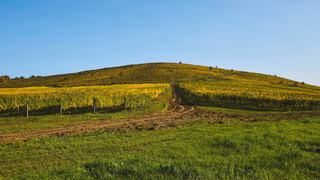
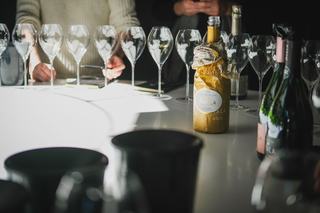
A vineyard photography tour in France follows the sun rather than the clock. Most itineraries start before breakfast with a sunrise shoot, when mist sits between the vine rows and the low light draws texture from the soil. The midday hours, when the light turns flat and harsh, go to cellar visits, a tasting session with a winemaker or a picnic lunch among the vines. The afternoon and evening return to the field for the golden hour and, on clear days, the blue hour after sunset.
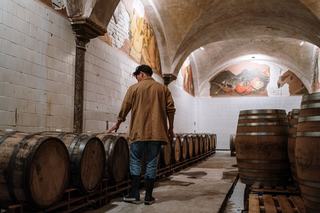
The tour leader is usually a professional photographer who scouts locations in advance: the elevated viewpoint above a slope, the back lane where fog pools in the morning, the barrel room with a single shaft of light through a stone window. That local knowledge matters because many of the best vineyards sit on private estates, and access to a château courtyard or a working cellar is far easier to arrange through a guide who already knows the owners. Groups are small, often four to eight participants, so the expert guide can correct a composition or a camera setting on the spot. Readers who prefer to weigh a guided format against driving between estates alone will find the trade-offs of a guided wine tour versus a self-drive trip laid out region by region.
Which regions reward the camera, and in which month?
French wine regions differ as much in light and landscape as in grape varieties, and the best photography tours build the route around that. The table compares the main destinations by subject and season.
| Region | Signature subjects | Strongest months |
|---|---|---|
| Loire valley | Châteaux above the vines, river mist, tuffeau cellars | May to June, September to October |
| Provence | Lavender fields beside rosé vineyards, hilltop villages | Late June to mid-July |
| Bordeaux and Saint-Emilion | Grand cru estates, limestone plateau, barrel rooms | September to October |
| Burgundy | Walled clos, stone village roofs, morning fog on the slopes | October to early November |
| Alsace | Half-timbered villages, Vosges backdrop, autumn colour | October to November |
The Loire valley: châteaux, river light and cave cellars
The Loire valley is the most varied stop for a vineyard photography tour, because it stacks three subjects in one frame: the river, the châteaux and the vines. Loire valley photography usually follows the river between Saumur, Chinon, Vouvray and Amboise, where Renaissance façades rise behind Chenin Blanc and Cabernet Franc rows. The Loire itself produces the mist that photographers chase: on calm autumn mornings it lifts off the water and drifts across the vineyards of Touraine before the sun burns it away.
The castles of Chambord, Chenonceau and Villandry are highlights of any photographer's itinerary, and their historic gardens give a chance to capture formal geometry before returning to the vines. Below ground, the Loire offers a second set of images. The soft tuffeau stone that built the châteaux was quarried from the hillsides, leaving troglodyte cellars where winemakers age sparkling Saumur and Vouvray. Candlelit galleries, chalky walls and stacked bottles reward a wide lens and a tripod. Further upstream, the Loire around Sancerre shifts to a hilltop village above Sauvignon Blanc slopes, a classic view at sunset. Few photo trips cover the whole Loire in a week, so most choose either the château stretch of the middle Loire or the vineyards of the upper Loire. A Loire itinerary also suits cyclists, since the river paths link estates, châteaux and photogenic villages on flat ground. The Loire valley in May, with fresh green leaves and long evenings, often gives softer light than the Loire in high summer.
Provence: lavender fields and rosé vineyards
Provence is where lavender and vineyards share the frame, and that pairing is the main reason photographers book a Provence photography tour in early summer. The lavender fields of the Valensole plateau and the Luberon usually reach full bloom between late June and mid-July, before harvest cuts the rows. Photographers often plan a sunrise on the plateau, then drive to rosé estates near Aix en Provence or in the Côtes de Provence for an afternoon tasting. Hilltop villages such as Gordes, Roussillon and Venasque add ochre walls and stone lanes, and the market streets of Avignon suit street photography in the morning. Lavender, sunflowers and vines bloom in close succession, so a single week in July can bring beautiful villages, stunning landscapes and three colour palettes. Lavender scenes draw crowds in peak season, which is one more argument for the early start that a guided photo tour imposes. To the south-west, the Camargue adds flamingos, white horses and the sandy vineyards of the Sable de Camargue wines; a day in the Camargue gives a workshop group nature photography opportunities that contrast with the historic architecture of the hill towns. Wine lovers who extend the trip north will find the Rhone Valley vineyards from Lyon to Avignon within an easy drive.
Practical answers before you book
What is usually included in a vineyard photography tour?
A typical vineyard photography tour includes accommodation, meals from breakfast to dinner on most days, ground transport with a driver guide, entry to estates and at least one tasting session per day. Instruction covers composition, exposure in mixed light and post-processing reviews in the evening. Flights, travel insurance and personal camera gear are rarely part of the package, so check the trip page before you reserve.
What is the best time of day for vineyard photography?
Vineyard photography works best at sunrise and in the golden hour before sunset, when side light picks out the rows and the colour of the grapes. Morning also brings mist in river valleys such as the Loire. In July the golden hour arrives late in the evening, so summer tours often shift dinner later.
Do I need professional equipment?
A photography tour does not require professional gear: a camera with manual exposure, a wide-angle lens for landscapes and cellars, a short telephoto for vine details and a light tripod cover most situations. Guides help participants with any level of kit, including smartphones on some walking tour formats.
Harvest, seasons and the people in the frame
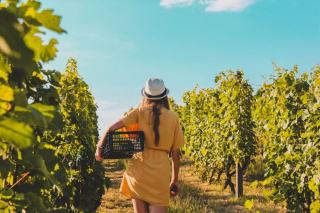
Harvest season brings what a landscape cannot: people at work. From late September through October, pickers, crates, tractors and the bustle of the press house give a vineyard photography tour its most human images, whether in Bordeaux, Burgundy or the Loire. Estates are busy at this time, so a guide who has arranged access in advance makes the difference between a closed gate and a morning in the rows. Autumn also turns the vines gold and red, especially in Alsace and Burgundy, where the Vosges or the Côte d'Or slopes frame a village and its church tower. The best time to tour French vineyards month by month depends on whether you want flowering vines, ripening grapes or bare winter rows under frost. Photographers who want to read a wine as closely as the light can add wine tasting courses suited to your level before or after the trip, learning to describe colour and aroma in the glass they have just photographed.