Not all cellar tours are created equal
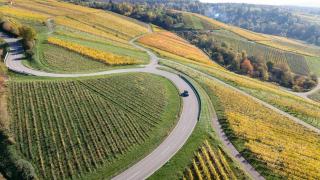
You arrive in Bordeaux, Burgundy or Alsace expecting magic. Rows of vines, passionate winemakers, unforgettable tastings. Reality? Sometimes rushed tours, scripted speeches, and wines you barely remember.
The difference lies in authenticity. A real cellar experience goes beyond the surface. It tells a story, connects you to the land, and lets you feel the work behind every bottle.
Before booking anything, it’s worth exploring reliable resources like Tips on French wine with CAVE. You quickly realize how much depth there is behind each region, each appellation, each producer.
What defines an authentic experience
An authentic cellar tour is rarely the most “touristy” one. It’s often smaller, more personal, sometimes slightly harder to access.
- Small groups allow real interaction with the winemaker
- On-site presence of producers, not hired guides
- Working cellars still actively producing wine
- Flexible tastings adapted to your curiosity
In short, you’re not just visiting. You’re stepping into someone’s daily reality.
Choosing the right wine route in France
France offers dozens of wine routes. But each one delivers a different kind of experience. Choosing wisely changes everything.
Regions where authenticity stands out
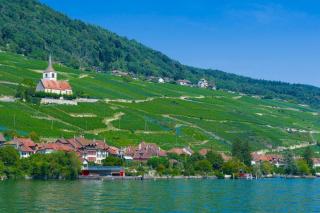
Some regions are naturally more accessible and genuine. Alsace, for example, is famous for its family-owned estates. Burgundy offers precision and intimacy. The Loire Valley mixes diversity and approachability.
Bordeaux, on the other hand, can feel more structured. Yet, if you go beyond the famous châteaux, you’ll find hidden gems with incredibly personal visits.
On this point, this insightful deep dive into Bordeaux experiences highlights how sensory and cultural immersion can transform a simple tasting into a lasting memory.
Questions to ask before booking
A quick email or phone call can reveal everything. Don’t hesitate to ask direct questions.
- Who leads the visit winemaker or external guide
- Group size more than 15 often feels impersonal
- Tasting selection standard or tailored wines
- Duration less than one hour feels rushed
These details often separate a memorable visit from a forgettable one.
Why authenticity matters more than prestige
It’s tempting to aim for famous estates. Big names, iconic labels, impressive architecture. But prestige doesn’t always mean connection.
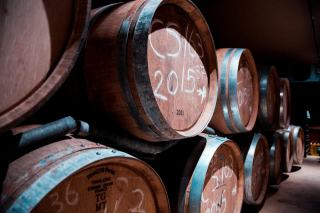
Some of the most impactful experiences happen in modest domains. A winemaker explaining their harvest challenges. A barrel tasting straight from the source. A conversation that lasts longer than planned.
Emotion, storytelling, and human connection outweigh luxury settings. That’s what you remember months later.
And often, these experiences come with unexpected benefits. Better value, more generous tastings, and sometimes access to limited bottles you won’t find elsewhere.
In the end, choosing authentic cellar tours is less about ticking boxes and more about following curiosity. Ask questions. Go off the beaten path. Trust your instincts.
FAQ
How far in advance should you book a cellar tour?
For popular regions like Bordeaux or Burgundy, booking at least two weeks ahead is recommended. Smaller estates may accept last-minute visits, but availability depends on harvest periods and workload.
Are expensive tours always better?
No. Price often reflects branding rather than experience quality. Many affordable visits offer deeper interaction, better storytelling, and more authentic tasting moments than premium tours.
What is the ideal duration for a wine cellar visit?
A good visit lasts between 1.5 and 2 hours. This allows time for explanation, cellar exploration, and tasting without feeling rushed or overly structured.