
The wine festivals in France most worth planning a trip around are the Hospices de Beaune auction weekend in Burgundy each November, the Percée du Vin Jaune in the Jura in February, the Foire aux Vins in Colmar in summer and the Montmartre harvest festival in Paris in October. Each region holds its own annual event, and the right choice depends on the season, the crowd you want and the wines you like to taste.
- Wine collectors and Burgundy lovers
- Les Trois Glorieuses in Beaune, the third weekend of November, with the charity wine auction on Sunday.
- Families and first-time visitors
- The Fête des Vendanges de Montmartre in October or the summer Foire aux Vins d'Alsace, where food, live music and wine tasting share the same site.
- Travellers who want a village celebration
- The Saint-Vincent Tournante in January or the Percée du Vin Jaune in February, both hosted by a different town every year.
How to pick a wine festival in France for your trip
Choosing a wine festival in France starts with the calendar, because the main events are tied to the life of the vineyard: winter celebrations honour the patron saint of winemakers or the release of a wine after ageing, summer fairs fill the gap before the grape harvest, and autumn brings the harvest festival, the new wine and the great auction of Burgundy. A traveller who can only visit in one month should look at what the region holds in that month rather than chase a famous name held at another time of the year.
The second criterion is the kind of visitor you are. Some events are public celebrations with stalls in the streets, a tasting glass sold at the entry and a parade; others are trade fairs reserved for professionals of the wine industry, with buyers, importers and journalists. Wine Paris & Vinexpo Paris, held each February at the Paris Expo Porte de Versailles exhibition centre, is the largest wine and spirits trade fair in the country, but it does not admit the general public. The same applies to the Salon des Vins de Loire in Angers. Read the conditions of entry before booking a train.
The third criterion is size. A large event offers more producers in one place and an easy day trip from a city, while a village fête gives direct access to growers who rarely travel to wine fairs. Both have a place in a well-built itinerary, and many wine lovers combine one famous weekend with smaller celebrations in the same region.
Travel time also matters. Burgundy, Champagne and the Loire vineyards are within easy reach of Paris by train, which makes them practical destinations for a short break, while the Jura, the Rhône and the South West suit a longer road trip with excursions between villages. In December, the Christmas market of Colmar or Strasbourg is not a wine festival, but winegrowers of Alsace sell mulled wine and their bottles there, and many cellars stay open for travellers.
Winter: village celebrations in Burgundy and the Jura
Winter wine festivals in France are among the most authentic, because they belong to the growers before they belong to visitors. In Burgundy, the Saint-Vincent Tournante takes place on the last weekend of January in honour of Saint Vincent, the patron saint of winemakers. Organised by the Confrérie des Chevaliers du Tastevin, it moves to a different town or group of villages every year. Streets are decorated with thousands of paper flowers, local wine societies parade with their banners, and cellars open for tasting under a pass sold at the entrance.
In the Jura, the Percée du Vin Jaune is held on the first weekend of February, again in a different village each year. It marks the moment the vin jaune of a given vintage can be released, after a minimum ageing of six years and three months in barrel under a veil of yeast. A barrel is ceremonially pierced, and producers of the region pour their vin jaune, Savagnin, Chardonnay and Crémant du Jura. Accommodation near the host village fills months in advance, and the winter roads of the Jura plateau call for prudence. Visitors can extend the stay with the cellars and lakes described in the guide to Jura and Savoie vineyards between the Alps and Switzerland.
Both celebrations draw large crowds despite the cold, and both run on a simple formula: buy the tasting glass and the pass, follow the route between cellars, and eat in the streets, where local products and hot dishes are sold by village associations.
Spring and summer: from Bordeaux quays to Alsace and the Rhône
Spring and summer are the season of the large outdoor wine events. Bordeaux Fête le Vin, the city's wine festival along the quays of the Garonne, is traditionally held over several days in June and has alternated in recent years with a river festival; it brings together the appellations of the Bordeaux wine region in pavilions where a tasting pass gives access to several stands, with workshops on food and wine pairing and fireworks over the river. Check the official site for the next edition before you plan a Bordeaux France château visit around it.
In Alsace, the Foire aux Vins d'Alsace in Colmar runs for around ten days between late July and mid August. It combines a large wine fair, where Alsatian producers present Riesling, Gewurztraminer and Pinot Gris, with live music in the open-air theatre and stands of regional products. The fair is a natural stop on a drive along the Alsace wine route, where the beautiful villages of Riquewihr, Eguisheim and Kaysersberg can also be reached by bike on marked cycle paths through the vineyards.
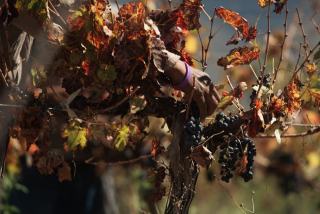
The Rhône holds one of the most picturesque summer celebrations: the Fête de la Véraison in Châteauneuf-du-Pape, on the first weekend of August, when the town returns to medieval costume to celebrate the moment grapes change colour on the vine. Producers sell wine by the glass in the streets, and craftsmen and musicians take over the old town. The valley has many more village fêtes, presented with the cellars from Lyon to Avignon in the overview of Rhône Valley wine tourism.
In Champagne, the Route du Champagne en fête moves each summer to a different group of villages in the Côte des Bar, in the Aube, with cellars open to visitors. In the Loire Valley, Vitiloire in Tours gathers the region's growers in the city centre in late spring. These events are smaller than the Bordeaux celebration but closer to the producers.
Summer tradition in wine country also means gastronomy. Many winegrowers join local restaurants for open-air dinners in the vineyards, where regional cuisine is served with the wines of the estate, and a growing number of estates present their sustainable or organic farming during guided walks. These activities fill the weeks between the large festivals and give a practical guide to the region beyond the tasting glass.
Autumn: harvest festivals, the Médoc marathon and Montmartre
Autumn is the richest season for wine festivals in France, because it follows the grape harvest. In September, the Marathon du Médoc, run since 1985, sends thousands of runners in fancy dress through the vineyards of the Médoc, with tasting stops at the châteaux along the course. It is an unusual way to discover the Bordeaux region, and registration opens well ahead of the race.
In Saint-Émilion, the Jurade proclaims the Ban des Vendanges in September from the top of the King's Tower, the formal opening of the harvest. Harvest festival celebrations follow in many villages, and a visit during the vendange is also the best opportunity to see the cellars working, from the arrival of the grapes to the first fermentations.
Paris has its own harvest festival. The Fête des Vendanges de Montmartre, held every year since 1934 on the second weekend of October, celebrates the small Clos Montmartre vineyard with a parade, a food and wine trail through the streets of the hill, concerts and a charity auction of the year's wine. It is the easiest wine event to reach for a visitor based in Paris, and it suits families. Also in October, the town of Chablis holds its Fête des Vins at the end of the month, a good opportunity to taste Chablis and its Premiers Crus in the cellars of the town.
November: Beaujolais Nouveau and Les Trois Glorieuses in Beaune
November concentrates the two most famous wine events of the French calendar. The Beaujolais Nouveau is released on the third Thursday of November, at midnight, in France and abroad. In the Beaujolais itself, the town of Beaujeu hosts Les Sarmentelles, several days of tastings, concerts and a torchlit procession around the release. Visitors who stay a few more days can explore the ten crus on a day tour of the Beaujolais crus from Lyon, from Brouilly to Moulin-à-Vent.
The Hospices de Beaune wine auction takes place on the third Sunday of November. The Hospices, a charitable hospital founded in 1443, own vineyards on the Côte d'Or and sell the new wines of their estate in barrels; the proceeds fund the hospital, and each year a lot is sold for a chosen charity. The auction is the centre of Les Trois Glorieuses weekend: a dinner of the Chevaliers du Tastevin at the Château du Clos de Vougeot on Saturday, the auction in Beaune on Sunday, and the Paulée de Meursault on Monday. Beaune France fills up completely that weekend, with tastings, street stalls and a half-marathon through the vineyards. Collectors who want to taste the great Pinot Noir and Chardonnay before or after the event can plan visits through the Côte d'Or villages and their Burgundy grands crus.
Comparing the best wine festivals by month and profile
The comparison below sets out the main festivals in France by month, region and type of visitor, with the type of entry for each, so that a traveller can match an event to the dates of a trip.
| Festival | Region | Usual date | Best for | Entry |
|---|---|---|---|---|
| Saint-Vincent Tournante | Burgundy | Last weekend of January | Village atmosphere, Burgundy lovers | Public, tasting pass |
| Percée du Vin Jaune | Jura | First weekend of February | Rare wines, curious tasters | Public, tasting pass |
| Wine Paris & Vinexpo Paris | Paris | February | Wine industry professionals | Trade only |
| Bordeaux Fête le Vin | Bordeaux | June, check the edition | City break, first discovery | Public, tasting pass |
| Foire aux Vins d'Alsace | Alsace (Colmar) | Late July to mid August | Families, concerts | Public, ticket |
| Fête de la Véraison | Rhône (Châteauneuf-du-Pape) | First weekend of August | Medieval setting, summer holidays | Public, wine by the glass |
| Marathon du Médoc | Bordeaux (Médoc) | September | Runners, groups of friends | Registration in advance |
| Fête des Vendanges de Montmartre | Paris | Second weekend of October | Families, visitors based in Paris | Public, open streets |
| Beaujolais Nouveau, Les Sarmentelles | Beaujolais (Beaujeu) | Third Thursday of November | Festive night, new wine | Public |
| Hospices de Beaune auction | Burgundy (Beaune) | Third Sunday of November | Collectors, Burgundy lovers | Public in town, auction on registration |
Mistakes that spoil a wine festival weekend
The most common mistake at a wine festival in France is to arrive without accommodation. The Saint-Vincent Tournante, the Percée du Vin Jaune and the Hospices de Beaune weekend fill every room within a wide radius, sometimes a year ahead. Booking a château stay, a gîte or a guesthouse as soon as the host town is announced avoids long drives at night; the options by region are listed in the overview of wine accommodation in France, from château stays to gîtes.
The second mistake is to drive between cellars after a day of tasting. French law sets the limit at 0.5 g of alcohol per litre of blood, and 0.2 g for drivers with a probationary licence, and checkpoints are frequent around large wine events. Shuttles, trains and a designated driver are the safe answer, as explained in the rules on the drink driving limit in France for wine tourists. Spitting during a tasting is normal practice, even at a festival.
The third mistake is to confuse a trade fair with a public celebration. Wine Paris, the Salon des Vins de Loire and the Grands Jours de Bourgogne are business events for professionals; a visitor without a badge will be turned away. Finally, a festival day is not the best moment for a quiet visit of a small estate: growers are busy at their stands. A visit organised with a local guide in the days before or after the event gives more time with the winemaker, and the comparison of a guided wine tour or a self-drive itinerary helps decide how to organise it.
Wine festivals in France: tickets, children and practical questions
Do you need a ticket for a wine festival in France?
Most public wine festivals in France sell a tasting glass or a pass at the entrance, which gives access to the producers' stands or to a set number of tastings. Village celebrations such as the Saint-Vincent Tournante often limit sales on the day, so buying online in advance is safer.
Can children attend wine festivals?
Children can attend most wine festivals in France with their parents, and events such as the Fête des Vendanges de Montmartre or the Foire aux Vins d'Alsace offer parades, concerts and food stands for all ages. The sale and service of alcohol to minors is forbidden in France.
When are wine festival dates published?
Dates and host villages are usually announced several months ahead by the organising wine societies and the local tourist office. Dates move slightly from one year to the next, so always check the official site of the event before you book travel for a wine festival in 2026 or 2027.
Can you buy wine directly at a festival?
Producers at public wine festivals generally sell bottles and cases at their stands, and some events offer a service to keep your purchases until you leave. Card payment is not always available at small village celebrations, so carry some cash.