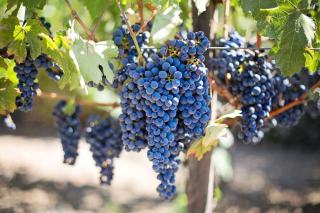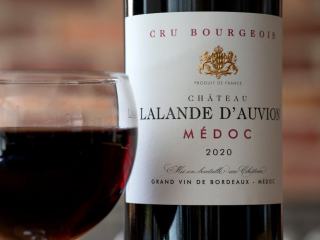

South West France wine tourism takes travellers to a southwest region of a dozen AOC areas between Bordeaux and Spain, where each vineyard keeps its indigenous grape: Malbec, Tannat, Négrette, Manseng. Wine tours here mean family domaines, small châteaux and a taste of production history.
- Region
- An arc of wine country from the Dordogne to the Basque Country, inland from the Bordeaux region.
- Signature grape varieties
- Malbec, Tannat, Négrette, Fer Servadou, Mauzac and Manseng, rarely planted elsewhere in France.
- Best base for a first wine tour
- Bergerac for the Dordogne, Toulouse for Gaillac, Pau for the Pyrenean foothills.
Where does the South West wine region begin and end?
The South West wine region of France starts where the Bordeaux vineyards stop, on the far side of the Dordogne and Garonne, and runs south and east to the Pyrenees and the edge of Languedoc. Wine writers often call it "the high country" (le Haut-Pays), a name inherited from the centuries when its wines travelled down the rivers to the port of Bordeaux before reaching England and northern Europe. The area is not one continuous block of vines: it is a scatter of separate wine islands, each with its own appellation, its own grape varieties and its own history.
Four broad zones help a visitor read the map. The Bergerac and Dordogne area sits closest to Bordeaux and uses the same grapes (Merlot, Cabernet Sauvignon, Cabernet Franc, Sémillon, Sauvignon Blanc). The Lot and Tarn zone, around Cahors, Gaillac and Fronton, keeps older local varieties. Gascony and the Gers cover Madiran, Saint-Mont, Pacherenc du Vic-Bilh and the Côtes de Gascogne. The Pyrenean foothills hold Jurançon, Béarn and Irouléguy in the Basque Country.
Climate explains much of this diversity. The western half feels the Atlantic, with mild winters and spring rain, while Gaillac and Fronton get hotter, drier summers and the autan, a warm south-easterly wind that dries grapes before harvest. Close to the mountains, Jurançon growers rely on long, sunny autumns to let grapes shrivel on the vine. Soils change just as quickly, from limestone plateaus in the Quercy to clay and pebbles in the Gers, so the word terroir carries real weight here.
AOC, IGP and organic production: reading South-West labels
South-West wine labels follow the French system of protected geographical names, which tells a visitor a lot before the bottle is opened. An AOC (protected designation of origin) such as Buzet, Côtes de Duras, Pécharmant or Coteaux du Quercy sets the permitted grape varieties, yields and winemaking rules for a defined area. An IGP, such as Comté Tolosan or Côtes de Gascogne, covers a wider zone with looser rules, which lets producers bottle a single varietal wine or experiment with grapes outside the appellation list. Both are quality marks, but they describe different promises.
Organic production has grown steadily in the southwest, helped by a dry, windy climate in parts of the Tarn and the Lot that limits fungal disease. Many family domaines now farm organically or biodynamically and say so on the label, and some open their soil and vines to visitors during a private walk before the tasting. For a traveller, asking a producer why the estate chose a particular label or farming method is often the best way to discover the typical landscape, soil and expertise behind the wine.
Cahors and the Lot: the Malbec heartland
Cahors is the best starting point for South West France wine tourism because its appellation rules make the wine easy to understand: red only, with Malbec (called Côt or Auxerrois locally) making up at least 70 % of the blend, the rest Merlot or Tannat. The wines were once nicknamed the "black wine" for their dark colour, and modern Cahors ranges from deep, structured reds built for the cellar to fresher bottlings meant for drinking within a few years.
The vineyard sits along the meanders of the Lot river and on the limestone plateau above it, known as the causse. Wines from the terraces near the river tend to be supple, while the stony plateau gives firmer tannins. A tasting that compares one estate's terrace and plateau cuvées shows this difference better than any description. For a route through the villages of Puy-l'Évêque, Prayssac and Luzech, the stages of a wine tour along the Lot valley are set out day by day.
Visitors who know Argentine Malbec are often surprised: Cahors has more acidity, firmer tannins and less overt fruit. Many estates also produce a rosé or a white under the regional IGP, since the appellation itself covers only red wine. The town, with its fortified Valentré bridge, makes a practical base, and the river valley offers gentle cycling between estates.
Madiran, Saint-Mont and the Tannat grape in Gascony
Madiran is the home of Tannat, a red grape known for some of the firmest tannins in France. The appellation lies on the border of the Gers, the Hautes-Pyrénées and the Pyrénées-Atlantiques, and Tannat must make up the larger part of each blend, often softened with Cabernet Franc, Cabernet Sauvignon or Fer Servadou. Young Madiran can feel austere; with time in bottle, or a long decanting, it opens into dark fruit, spice and leather.
Madiran growers played a large part in the modern reputation of the grape. Producers here helped develop micro-oxygenation in the 1990s, a cellar technique that softens tannins, and the same Tannat later became the national grape of Uruguay. Tasting a young and an older vintage side by side at the cellar door is the clearest way to understand why local producers talk about patience.
The same area produces Pacherenc du Vic-Bilh, a white wine, dry or sweet, made from Petit Manseng, Gros Manseng, Petit Courbu and Arrufiac. A short drive north, the Saint-Mont appellation, largely run by the Plaimont cooperative, preserves old local varieties. Plaimont's Sarragachies plot, a parcel of vines planted before phylloxera, has been listed as a French historic monument, a rare status for a working vineyard. Further north, the Côtes de Gascogne IGP produces fresh, aromatic whites from Colombard, Ugni Blanc and Gros Manseng, grapes that were long distilled into Armagnac.
Which South-West appellations suit a first visit?
A first wine trip to the South West rarely covers more than three or four appellations, because the distances between them are long and the roads are rural. The table below compares the main ones by grape, style and the town that makes the most practical base.
| Appellation | Main grape varieties | Style | Practical base |
|---|---|---|---|
| Bergerac and Monbazillac | Merlot, Cabernet, Sémillon | Bordeaux-style reds, sweet whites | Bergerac |
| Cahors | Malbec, Merlot, Tannat | Dark, structured red | Cahors |
| Gaillac | Mauzac, Len de l'El, Braucol, Duras | Red, white, sweet and sparkling | Albi or Gaillac |
| Fronton | Négrette | Light, perfumed red and rosé | Toulouse |
| Madiran and Saint-Mont | Tannat, Cabernet Franc, Pinenc | Firm red for ageing | Gers villages |
| Jurançon | Gros Manseng, Petit Manseng | Dry and sweet whites | Pau |
| Irouléguy | Tannat, Cabernet Franc, Manseng | Red, rosé, white | Basque villages |
Travellers coming from Bordeaux can start with Bergerac, an hour or so east, then follow the Lot to Cahors. Those arriving at Toulouse airport are well placed for Fronton and Gaillac, and Pau suits a stay focused on Jurançon, Madiran and the Pyrenees.
Sweet whites of Jurançon and Monbazillac
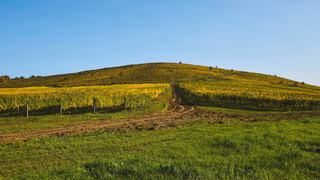
Jurançon is the South West appellation most associated with sweet wine, made on the slopes south of Pau from Petit Manseng and Gros Manseng left on the vine until late autumn. The berries dry and concentrate in the sun, a process called passerillage, so the wine keeps a sharp acidity under its honeyed richness. Jurançon also comes dry, labelled Jurançon sec, and many estates pour both at the same tasting. The vineyards sit on steep, often terraced hillsides with the Pyrenees in view, which makes the area one of the most scenic in the region.
Monbazillac, just south of Bergerac, takes another route to sweetness: noble rot (botrytis) on Sémillon, Sauvignon Blanc and Muscadelle, the same method used in Sauternes on the other side of Bordeaux. Château de Monbazillac, a Renaissance chateau run by the cooperative, receives visitors and overlooks the Dordogne river. Nearby Saussignac follows the same tradition on a smaller scale. For a traveller, comparing a Monbazillac with a Jurançon on the same trip shows two distinct ways of making sweet wine in France.
Visiting South-West cellars: appointments, languages and driving
Do South-West wineries need an appointment?
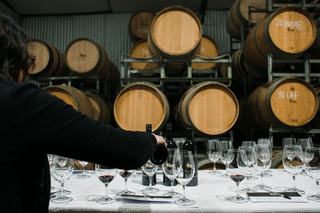
Most small South-West wineries do need an appointment, or at least a phone call the day before. Family estates often have no dedicated tasting room staff, and the person pouring may be the winemaker, called in from the vines. Cooperatives such as Plaimont in Saint-Mont or the cellars of Monbazillac keep regular opening hours, and some Cahors estates open without booking in summer. Each estate sets its own visit policy, so checking its website or calling ahead avoids a closed gate.
Are tastings in English available in the South West?
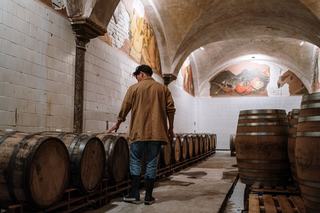
English is spoken at many estates in Bergerac and Cahors, where British and Dutch visitors are frequent, but less often in the Gers or the Basque Country. A few words of French help, and the privacy of a small cellar visit usually makes up for any language gap: the producer will open bottles, show the barrels and explain the vines with or without a shared vocabulary. Visitors who prefer a guide can book a guided wine tour in France or a self-drive itinerary, depending on how much driving they want to do.
What is the drink driving limit for wine tourists in France?
The legal limit in France is 0.5 grams of alcohol per litre of blood, and 0.2 grams for drivers on a probationary licence. Distances between South West cellars are long and roads are narrow, so spitting at tastings, sharing the driving or hiring a driver is the norm among visitors who plan several stops in a day.
Gaillac, Fronton and grape varieties found nowhere else
Gaillac, between Albi and Toulouse, is among the oldest wine areas in France, with vines planted in Roman times, and it still grows grapes almost unknown elsewhere. Mauzac gives whites with an apple-like character and is used for the traditional sparkling wine made by the "méthode gaillacoise", where fermentation finishes in the bottle without added sugar. Len de l'El ("far from the eye") brings body to whites, while Braucol (the local name of Fer Servadou) and Duras shape the reds. Few appellations in France make red, white, rosé, sweet and sparkling wine side by side, so a single Gaillac estate can pour a complete range in one visit.
Fronton, north of Toulouse, is built around Négrette, a red grape grown almost nowhere else, which gives light, perfumed wines with notes of violet and liquorice. It is a short drive from the city, which makes Fronton the easiest day trip in the South West for anyone staying in Toulouse. Further north-east, Marcillac in the Aveyron grows Fer Servadou (called Mansois there) on red sandstone slopes, a small, unique appellation worth the detour for visitors heading to Conques.
Irouléguy and the Basque Country
Irouléguy is the only wine appellation of the French Basque Country, planted on steep terraces around Baïgorry, in the foothills of the Pyrenees. Tannat and Cabernet Franc dominate the reds and rosés, and the whites use Manseng and Petit Courbu. The vineyard is small, and its cooperative plus a handful of independent domaines welcome most visitors.
The setting is the main attraction: green mountains, red-and-white Basque farmhouses and vines climbing slopes that machines cannot work. Combined with Espelette, the coast at Biarritz and a crossing towards Spain, Irouléguy rounds off a trip through the South West France wine region on a very different note from the plains of Gascony.
Food, bastide towns and where to stay between cellar visits
Food is inseparable from wine touring in South West France: duck confit, foie gras, cassoulet, Agen prunes, Roquefort, black truffles from the Périgord and Quercy, and Armagnac all belong to the same region as the wines. Local menus pair them naturally, Madiran with duck, Jurançon sweet whites with foie gras, Cahors with truffle dishes in winter. Weekly markets in Sarlat, Périgueux or Eauze are the best place to see these products and talk with producers.
The medieval bastide towns, built in the 13th century with grid streets and arcaded squares, make convenient bases: Monpazier and Domme near Bergerac, Villeneuve-sur-Lot between Bergerac and Cahors, Marciac in the Gers. Many estates offer gîte rooms in converted farmhouses, a simple way to sleep among the vines. Visitors looking for more choice will find hotels and guesthouses across the whole area in the wine tourism guide to France, region by region.
The South West also stays quieter than Provence, Champagne or Burgundy in peak season, and further from Paris, which makes it a slower travel destination. Cellar doors are rarely busy in July and August, and the harvest period in September and October brings activity rather than crowds, though producers have less time to receive visitors then.
Combining Bordeaux with the South West in one route
A week-long route can link Bordeaux with the South West without rushing: two days in the Bordeaux area, then east to Bergerac and Monbazillac, a day in Cahors, a day in Gaillac or Fronton, and a final stretch south through Madiran to Jurançon and Pau. Drivers should count on two to three hours between the main stops, and more on mountain roads. Travellers who want to compare left bank and right bank estates before heading inland can plan the first days with a guide to Bordeaux châteaux by bank and appellation.
In terms of season, late spring and early autumn are the most comfortable periods for this route: vines in leaf, mild temperatures and producers available. Winter suits truffle markets around Cahors and the Périgord, but many cellars reduce opening hours. Whatever the season, the South West rewards a slower pace than Bordeaux: fewer famous names, more time with the people who make the wine, and grape varieties that most wine lovers have never tasted at home.