A Chablis wine tasting means tasting one grape, Chardonnay, across four appellations, from Petit Chablis to Chablis Grand Cru, in a small town located in the Yonne at the northern edge of Bourgogne. The experience is about terroir: the same wine changes with each slope, and good wineries let you discover that exceptional difference side by side, often with a guided explanation in English.
Chablis sits on the Serein river, roughly two hours by car from Paris and a short drive from Auxerre. It is the most northerly part of the Burgundy vineyards, cooler than the Côte d'Or, and its white wines are known for tension and a mineral, saline taste rather than oak. For the wider picture of the region, our guide to wine tourism across the Burgundy vineyards covers the other stops south of here.
What makes a tasting in Chablis different?
Most French wine regions ask you to compare grapes or blends. In Chablis there is only Chardonnay, so a tasting becomes a lesson in place. The vines grow on Kimmeridgian limestone and marl packed with tiny fossil oyster shells, a soil that producers credit for the wine's sharp, flinty character. When you taste four glasses in a row, you are really tasting four positions on the hillside.
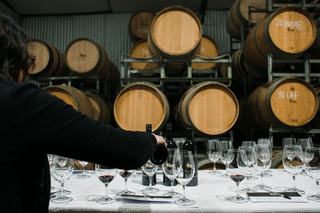
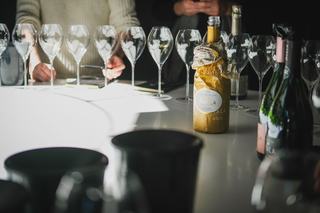
That is why a Chablis tasting rewards attention more than volume. A cellar host will usually pour in a fixed order, from the lightest wine to the most structured, and talk about exposure, slope and vine age. Ask where each plot is: the answer tells you more than any tasting note. It is a sensory experience built on comparison, and it is unique among French white wine regions because the grape never changes.
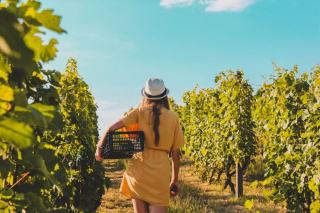
The history of the area also explains the style. The monks of the Cistercian abbey of Pontigny helped shape the vineyard in the Middle Ages, and the town kept its wine trade through phylloxera and frosts. Frost is still the main risk each spring, and you may see heaters or sprinklers among the vines if you visit in March or April.
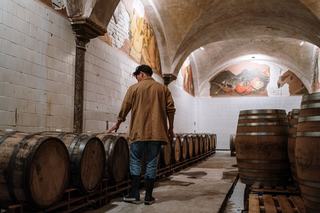
That heritage is visible in the streets: a medieval town house or two, the Porte Noël gate with its twin towers, and old cellars dug under the houses where wine has aged for centuries. Many visitors combine Chablis with Vézelay, a hilltop village with a famous basilica about an hour south, or with the Renaissance castle of Tanlay near Tonnerre. It is a rich cultural route, and a beautiful setting for wine lovers who want more than a counter tasting.
The Chablis appellations you will taste
The Chablis wine region is organised into four appellations. Knowing them before you arrive makes any wine tasting far easier to follow, because every price list and every tasting sheet is built around this ladder.
| Appellation | Where the vines are | What to expect in the glass |
|---|---|---|
| Petit Chablis | Plateaus and outer slopes | Light, fresh, drunk young |
| Chablis | The largest area, on both banks of the Serein | Crisp, citrus, the classic style |
| Chablis Premier Cru | Named climats such as Montée de Tonnerre, Fourchaume or Vaillons | More depth, often a few years of ageing |
| Chablis Grand Cru | One south-west facing hillside above the town | Concentrated, long, built to age |
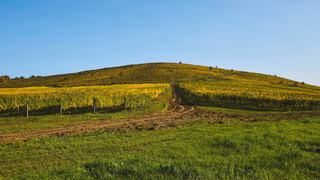
The grand crus are seven climats on a single slope: Blanchot, Bougros, Les Clos, Grenouilles, Preuses, Valmur and Vaudésir. From the town of Chablis you can walk up among them in under half an hour, and the view over the rooftops is one of the best free experiences of the visit. A tasting petit Chablis à Chablis grand cru, in one sitting, is the clearest way to understand the ladder.
Which kinds of cellars and wineries to visit
There is no single list of the best wineries in Chablis, because the right cellar depends on what you want to learn. Three kinds of places welcome visitors, and a good day mixes at least two of them.
- Family domaines. Small estates where the person pouring often works the vines. Expect a relaxed tasting in the cellar, a few wines, and direct answers about each vineyard plot. Many ask you to contact them in advance.
- The cooperative. La Chablisienne, founded in 1923, gathers a large share of the region's growers and runs a shop with a wide range, from Petit Chablis to grand cru. It is a practical place to taste many climats in one stop.
- Négociant houses and larger estates. Bigger cellars in or near town, some with guided tours of the cellar, barrel rooms and sometimes a château or historic building. Good for a structured tour in English.
The town itself is compact: several tasting rooms sit within a few streets of the main square, so you can explore on foot and leave the car parked. Before you choose, read reviews from recent guests: they tell you whether the winemaker speaks English, how long the visit lasts and whether the house is popular with groups. The local tourist office on the square keeps the list of cellars open to the public and the current opening days, which change with the season.
How to book a wine tasting tour in Chablis
Walk-in tastings exist in the town centre shops, but most domaines prefer a booking. Small estates do not have staff waiting at the door; they fit visits between work in the vines. An email or phone contact a few days ahead, with the number of people and the time you plan to arrive, is usually enough. Before you write, read our notes on how to book a French winery visit without being turned away at the gate.
Several formats are common:
- a short tasting of three to five wines at the counter;
- a guided cellar visit followed by a seated tasting;
- a vineyard walk or 4x4 ride through the premier and grand cru slopes, then a tasting;
- private tours with a guide who books the cellars and drives, useful if nobody in the group wants to stay sober.
Tasting policies vary. Some cellars offer the tasting when you buy wine, others charge a fee per person, and grand cru tastings are often a paid option. Our page on what French estates charge for a tasting explains how these fees usually work and when they are refunded against a purchase. Always check dates and conditions before you travel: many domaines close on Sundays, at harvest time and for part of the winter. Read the cancellation policy and terms of any online booking, and send an e-mail rather than a comment on a map listing if you need a reservation confirmed. Several cellars and the cooperative also sell a gift card for a tasting or a tour, a popular gift idea for wine lovers who plan to visit later.
What is included in a Chablis wine tour?
A guided wine tour in Chablis typically includes transport between cellars, two or three estate visits, a tasting at each one and commentary on the appellations. Private formats may add a walk in a grand cru vineyard, a lunch in town or a visit to a historic cellar such as the Obédiencerie, the old monastic building in the heart of Chablis. Tours in Chablis from Paris usually leave in the morning and return in the evening, which makes a long but manageable day trip.
When you compare tour offers, look at the number of cellars, the size of the group, the time spent tasting versus driving, and whether the tour is included private or shared. A smaller group means more questions answered by the grower. Read more review comments on the cellar itself, not only on the tour operator, since the quality of the tasting depends on the host.
Planning the trip: when to go and how to get there
Chablis from Paris is about 180 km by motorway. By train, the usual route is to Auxerre, then a short taxi or car hire to Chablis; public transport to the town itself is limited. If you are choosing between Burgundy and other regions for a single day, our comparison of day trips from Paris to the vineyards sets Chablis against Champagne and the Loire.
The best time is between May and October, when most cellars keep regular hours. Late October brings the Fête des Vins de Chablis, a weekend festival when producers pour in the streets. In winter, Burgundy celebrates the Saint-Vincent Tournante, the growers' feast held in a different village each year; check the calendar if you want to combine it with a visit. Harvest in September is beautiful but busy, and some small estates stop receiving visitors for a few weeks.
If you drive, plan who stays sober: France applies a low blood alcohol limit and roadside checks are common in wine country. Spit buckets are standard in every cellar and nobody minds you using them. With two or three tastings in a day, you have time to taste properly and still enjoy the town, the river and the slopes.
What food pairs well with Chablis wine?
Chablis was made for the table. Its acidity and saline finish work with oysters and shellfish, which is why the fossil oysters in the soil make such a good story. Try Petit Chablis or village Chablis with goat cheese, gougères (the cheese puffs of Bourgogne) or a simple fish dish. Premier cru bottles handle poultry in cream sauce and the local andouillette de Chablis; grand crus stand up to lobster, scallops or aged Comté.
Many restaurants in town list wines by climat, so lunch becomes a second tasting. If you want red wine with your meal, look for Irancy, a nearby Pinot Noir appellation a few kilometres towards Auxerre, or Épineuil near Tonnerre.
Frequently asked questions about a Chablis tasting
What should I expect from a Chablis tasting?
Expect three to six white wines, all Chardonnay, served from the youngest and lightest to the most structured. The host will explain each climat and its soil. A tasting lasts from twenty minutes at a shop counter to an hour and a half for a cellar visit with a guide.
Do I need to book a wine tasting in Chablis?
For shops in the town centre, usually not. For family domaines and private tours, yes: a message a few days ahead is the norm, and it guarantees someone will be there to welcome you.
Can I bring bottles home after my visit?
Yes, and cellar door purchase is part of the experience. Travellers leaving the EU should check customs allowances first; our guide to bringing wine home from France sets out the rules and how to pack bottles.
Is one day enough to explore Chablis?
One day covers two or three cellars and a walk on the grand cru slope. Stay a night if you want to add a vineyard tour, a long lunch and a slower tasting of premier and grand cru wines without rushing back to Paris.