French winery tasting fees are the price an estate asks for a guided visit and a pour of its wines. In 2026 most producers in Bordeaux, Champagne and Burgundy charge one, and many refund it only if you buy bottles at the cellar door.
Before you book a tasting
- Free pours still exist at small family domaines and cooperatives, mostly in the Loire, Alsace and the Rhone valley.
- The fee usually scales with what is poured: an entry cuvee costs less to taste than a grand cru.
- A refund on purchase is a house rule, not a legal right: read the booking terms and conditions.
- Private and guided wine tours bundle transport, so compare the cost per tasting, not the package price.
What are the wine tasting fees in France?
There is no national price for a wine tasting in France. Each estate sets its own fee, and the range is wide: a cooperative cellar in the Languedoc may pour three wines for nothing, while a grand cru house in Champagne can ask the price of a restaurant lunch for a tour and a flight of vintages. What drives the price is less the region than the kind of experience on offer.
That said, each wine region has its own habits, and knowing them helps when you plan a weekend break or a longer stay. A domaine in the Roussillon and a Bordeaux classified growth do not sell the same visit, and a region crowded with tourist destinations tends to charge more than a quiet one.
The bands below are indicative, drawn from the booking pages of estates open to visitors in 2026. They are not a price list, and a single chateau can offer several formats at very different prices. Always check the current rate on the producer's own site before you travel.
| Wine region | Typical visit and tasting | Premium or prestige format |
|---|---|---|
| Bordeaux (Medoc, Saint Emilion) | Around 15 to 30 euros | 60 euros and more for classified growths |
| Champagne (Reims, Epernay) | Around 25 to 40 euros in the large houses | Often above 100 euros with vintage cuvees |
| Burgundy (Cote de Nuits, Beaune) | Around 15 to 35 euros | Premier and grand cru flights priced higher |
| Rhone valley, Provence | Free to 20 euros | Hermitage or Chateauneuf estates, 30 euros and more |
| Loire, Alsace, Languedoc | Often free or under 15 euros | Food and wine pairing, 40 euros and more |
Read the table as a map of habits rather than a quote. The same producer may pour a red wine for free at the counter and charge for a seated tasting in the barrel cellar the same day.
Why most French estates now charge for a tasting
Twenty years ago, a visitor who knocked on the door of a domaine in Burgundy or the Loire valley was usually poured a few wines at no cost. The habit has shifted, and producers give three reasons for it.
- Time. A proper visit takes a member of the team away from the vineyard or the cellar for an hour. At harvest, that hour is expensive.
- The wine itself. Opening a bottle of a grand cru for four people who will not buy is a real cost for a small producer, especially in Burgundy where volumes are tiny.
- Filtering. A paid slot keeps out the day trip crowd that treats a cellar as a free bar, and lets the estate plan the number of persons per visit.
In the most visited areas, such as Saint Emilion, the Champagne houses of Reims and Epernay, or the Cote de Beaune, charging has become the norm. In quieter regions, the free tasting survives, often at the family table with the winemaker. Wine tourism has grown into a real business, and the fee is part of how estates organise it.
What is included in a wine tasting fee?
The price of a visit rarely buys wine alone. Before you compare two offers, check what each one actually covers, because the same 30 euros can mean very different things.
The standard visit and tasting
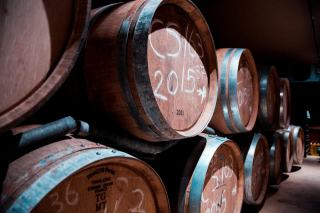
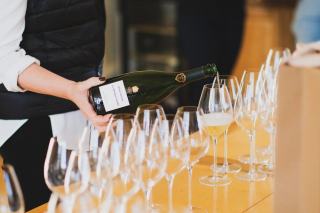
The most common format is a guided tour of the vineyard or the cellar, lasting 45 minutes to an hour and a half, followed by a tasting of three to five wines. You will usually taste the estate's range from the lighter wines to the red or the top cuvee, with an explanation of grape varieties, terroir and winemaking. In Bordeaux the tour often covers the vat room and the barrel cellar; in Champagne it goes down into the chalk cellars where bottles age.
Premium experiences
Estates increasingly offer a range of upgraded formats: a vertical tasting of several vintages, a blending workshop where you make your own wine, a food and wine lunch, a picnic in the vines, or a private session with the cellar master. These cost more because the wines poured are older or rarer, and because the group is smaller. A private wine tour of this kind is the closest you get to the old free welcome, but it is priced as a luxury experience. Some estates also rent rooms, so a gourmet dinner, a night on the domaine and a sommelier-led tasting the next morning can be sold as one getaway, with a price per adult.
What is usually not included
- Transport to and between wineries, unless you book a guided wine tour.
- Bottles to take home, which are sold separately at the shop.
- Food, except in pairing formats that say so clearly.
- Tips for the guide, which are not expected in France.
When is the tasting fee refunded if you buy?
This is the question most visitors ask, and the honest answer is: it depends on the house. Many estates, particularly family domaines in Bordeaux, Burgundy and Provence, deduct the tasting fee from your purchase if you buy wine at the end of the visit. Some set a threshold, for example a minimum number of bottles or a minimum spend. Others refund nothing, and the large Champagne houses almost never do, because the visit is sold as a product in itself.
There is no legal rule behind any of this. A refund on purchase is a commercial gesture that each producer defines in its own terms and conditions, so read them on the booking page, or ask the customer service team when you book. If the policy is not written anywhere, ask the guide at the start of the tasting rather than at the till. It avoids an awkward moment, and staff are used to the question.
Keep in mind that buying at the estate is not always the cheapest way to get the wine. Our advice on buying wine directly from French producers explains when the cellar price is worth it and how to ship or carry bottles back.
How to book a wine tasting tour
Almost every paid tasting in France is by appointment. Turning up unannounced works at some cooperatives and at shops with a tasting counter, but not at a chateau that runs set time slots. Planning ahead also lets you compare fees and pick the experience that suits your budget.
- Check dates and opening days. Many producers close on Sundays, at lunch time and during the harvest in September and October. Book one to two weeks ahead in summer.
- Book on the estate's own site or by email through the contact form. Prices there are usually the lowest, and you deal directly with the team.
- Read the terms and conditions: cancellation window, deposit, minimum age, and whether the fee is refunded on a purchase.
- Tell the estate your language if you do not speak French. Many run visits in English, but not at every time slot.
- Plan two or three visits a day at most. A third tasting after lunch is rarely a good experience for you or for the producer.
For a step by step walk through, including what to do when an estate does not answer, see our guide on booking a visit at a French winery.
Guided wine tours and day trips: is the package worth it?
A guided wine tour bundles several wineries, transport and a driver into one price. From Bordeaux, Beaune, Reims, Avignon or Aix en Provence, a day trip typically visits two or three estates with lunch, and tour operators advertise them from their own offices or on booking platforms. Some depart from Paris by train to Champagne and back in a single day, and a few run from Paris to the Loire for travellers who want to discover French wine without renting a car.
The best tours are led by a local expert who knows the families behind each domaine, which is worth more than a long list of stops. For a short break, a half day with one or two hours at each estate is enough; for a longer getaway, a river cruise on the Rhone or a gourmet weekend in Bordeaux lets you discover a region at a slower pace.
The package price looks high next to a single tasting fee, but it includes things you would otherwise pay for, and one you cannot buy: nobody has to drive. France enforces a blood alcohol limit of 0.5 grams per litre, lowered to 0.2 for new drivers, and a full day of tasting will put a driver over it. Our page on the drink driving rules for wine visitors sets out the limits and penalties.
To judge whether a tour is worth it, divide the package by the number of tastings and subtract what a taxi or transport would cost. Read the reviews for how long you really spend at each winery, and whether the estates are small producers or large tasting rooms set up for coaches. A small group or private tour will cost more per person but gives more time with the wine and the people who make it.
What regions are best for wine tasting on a budget?
If the fee matters to your trip, choose the region before the estate. The best wine regions for free or cheap tastings are those where small producers still sell most of their wine at the cellar door.
- Loire valley: many family domaines in Vouvray, Chinon and Saumur taste for free, and the cellars dug into the tufa are an attraction on their own.
- Alsace: along the wine route, village producers welcome visitors without appointment and rarely charge.
- Rhone valley: cooperatives and smaller estates pour for free; prestige Hermitage houses charge.
- Languedoc and the South West: generous welcome, low fees, and a wide range of red wine styles to taste, from Minervois to the Roussillon.
Exploring a cheaper region is also a good break from the crowds: you often meet the winemaker rather than a guide, and a break in the Loire or in Alsace combines well with a stay in a village guesthouse.
At the other end, Bordeaux and Champagne are where a tasting is most likely to be a paid, ticketed experience. That does not make them poor value: a tour of a Medoc chateau or a chalk cellar in Epernay is a memorable day. Our overview of the Bordeaux vineyards and their chateaux helps pick estates by appellation and by the kind of visit they offer.
What types of wines can be tasted during a visit?
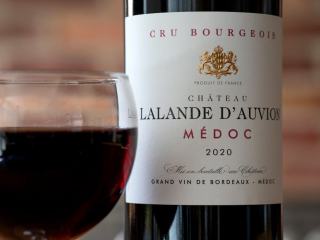
What you taste depends on the region and on the fee. In Burgundy expect pinot noir and chardonnay, often from several appellations of the same producer. A Bordeaux tasting, whether on the left bank or in the Bordeaux hills of the right bank, centres on blends of merlot and cabernet sauvignon, with a dry or sweet white wine at some chateaux. Champagne houses pour their brut, rose and, for a higher price, vintage cuvees. In Provence, the rose dominates, and in the Rhone valley grenache and syrah reds.
The higher the fee, the older and rarer the wines. A basic tasting shows the current range; a premium one opens library vintages or the grands crus. If you want to discover one specific wine, say so when you book: the team can often add it to the flight, sometimes for a small extra charge.
Frequently asked questions
Is it rude to taste without buying?
At a paid tasting, no: the fee covers the visit and the wine poured. At a free tasting in a small cellar, buying a bottle or two is a courteous way to thank the producer for their time, though nobody will force you.
Do children pay a tasting fee?
Children cannot taste wine, and the legal drinking age in France is 18. Most estates let minors join the vineyard tour for free or at a reduced rate, and some offer grape juice. Check the conditions, since a few chateaux do not accept children on visits.
Can I pay the fee on the day?
Some estates take payment on site by card, but most now ask you to pay online when you book. Paying ahead secures your slot, and the cancellation terms decide whether you get the money back if your travel plans change.