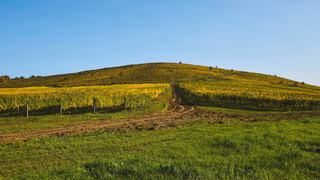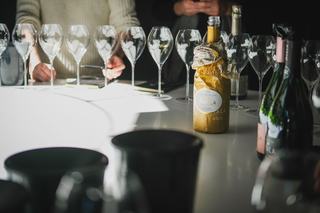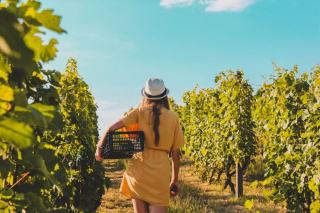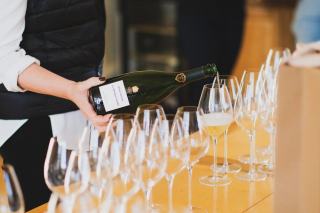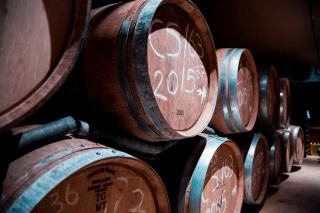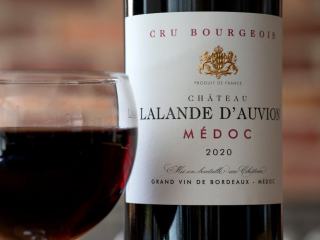

A wine river cruise in France is a slow journey by river ship or hotel barge through Bordeaux, Burgundy or the Rhône Valley, where each day pairs hours on the water with a vineyard visit, a guided tasting or a cellar experience ashore.
Three ways to sail through French wine country
- River ships on the Garonne, Dordogne, Saône and Rhône: one week, several wine regions, excursions by coach from each port.
- Hotel barges on the canals of Burgundy, Champagne and the Midi: a handful of cabins, a chef on board, local wine poured with every meal.
- Day boats from Bordeaux or Lyon: a few hours afloat and a single estate tasting, ideal for a first wine experience.
River ship, hotel barge or day boat: three formats on French waterways
A French wine cruise comes in three formats that have little in common beyond the water. River ships are the long, low vessels that sail the Garonne, the Saône and the Rhône; they carry well over a hundred guests, follow a fixed itinerary and send passengers ashore by coach to a château or a cooperative cellar. Hotel barges are converted commercial craft working the narrow canals of Burgundy, Champagne or the Languedoc, with cabins for six to twenty-four guests, a crew that often includes a chef, and a minibus that follows the boat along the towpath.
Day boats complete the picture. From the quays of Bordeaux, a day river cruise heads down the Garonne towards the estuary, with lunch on board and one estate stop; on the Saône, short sailings leave Lyon for the Beaujolais hills. Wine lovers who only have a weekend can sample the format this way before booking a week afloat.
The choice between formats is mostly a question of pace and company. A river ship covers more ground and suits travellers who want to explore several regions in one trip; a barge moves at walking speed, rarely more than a few kilometres a day, and appeals to those who prefer a small group and a cellar dinner with the winemaker. Compared with a guided wine tour by minibus across France, both trade some flexibility for the comfort of unpacking once. Luxury barges with four to eight cabins sit at the top of the price range, while larger vessels offer more dining options and a lower cost per passenger.
Bordeaux by river: the Garonne, the Dordogne and the Gironde estuary
Bordeaux is the most sailed wine destination in France, because three waterways meet there. The Garonne runs through the city, the Dordogne flows past Libourne, and the two join below Bourg to form the Gironde, the widest estuary in Western Europe. River cruises from the Port of the Moon usually spend a week looping between these rivers, which lets one ship call at the Médoc, the Côtes de Blaye, Saint-Émilion and the Sauternes area without guests changing hotel.
A typical Bordeaux itinerary moors at Pauillac for the great Médoc names, at Blaye beneath the Vauban citadel, a UNESCO-listed historic site, at Libourne for Saint-Émilion and Pomerol, and at Cadillac for the sweet whites of the Garonne's right bank. Most operators add a walking tour of Saint-Émilion, its monolithic church and its ramparts, followed by a wine tasting in one of the town's cellars. The estuary crossing between Pauillac and Blaye is the moment many guests remember best: wide water, mudflats and château towers on the horizon.
For those who prefer to stay on land part of the trip, the Bordeaux vineyards and their appellations are easy to reach from the city, and a river cruise can follow or precede a few days of estate hopping by car or bike.
Burgundy by hotel barge: canals, locks and the Côte d'Or by road
Burgundy is the classic hotel barge territory, and its canals set the rhythm. The Canal de Bourgogne links the Yonne at Migennes to the Saône at Saint-Jean-de-Losne over about 242 km and 189 locks, according to Voies navigables de France, the public body that manages French waterways. Barges travel it through Tonnerre, Montbard, the Pouilly-en-Auxois tunnel and Dijon, at a pace that lets guests walk or cycle the towpath between locks.
One point surprises many first-timers: the famous Côte d'Or villages, Beaune, Meursault, Pommard and Nuits-Saint-Georges, lie a short drive from the water rather than on its banks. Barge programmes reach them by minibus, usually with a guided cellar visit, a stop at the Hospices de Beaune and a sampling of village wines. The Chablis area, further north, is visited in the same way from the Yonne or the Canal de Bourgogne.
Burgundy barges also sail the Canal du Centre and the Saône around Chalon-sur-Saône, closer to the Côte Chalonnaise vineyards of Mercurey, Givry and Rully. A barge week here feels less like a tour and more like a private house party afloat: long dinners, cheese from the local market, and a beautiful evening with a winemaker invited on board.
Saône and Rhône: from Burgundy to Provence in one week
The Saône and the Rhône form the longest wine itinerary in France, and river ships sail it from Chalon-sur-Saône or Lyon down to Avignon and Arles. Heading south, the ship passes the Mâconnais and the Beaujolais on the Saône, reaches Lyon, then follows the Rhône past the steep granite terraces of Côte-Rôtie, Condrieu and Hermitage before the valley opens towards Châteauneuf-du-Pape and Provence.
Typical calls include Mâcon or Trévoux for the Beaujolais crus, Vienne for its Roman temple, Tournon or Tain-l'Hermitage for the Northern Rhône, Viviers, then Avignon and Arles. Excursions mix wine and history: a tasting at a Châteauneuf-du-Pape estate, the Palais des Papes, the Pont du Gard, the Roman arena of Arles. Some operators extend the trip with two or three nights on the French Riviera, based in Nice, a popular option for guests who fly home from the Riviera airport, while others sell combined itineraries along the lines of a "Grand France" week that pairs the Rhône with a Seine cruise from Paris, linked by high-speed train.
The Seine itself has no vineyards on its banks, so a Paris to Normandy sailing is a cultural cruise rather than a wine one; the pairing works for travellers who want Paris and the Rhône Valley in one holiday.
Which route suits which traveller?
| Route | Typical boat | Wines on the way | Best for |
|---|---|---|---|
| Garonne, Dordogne and Gironde | River ship or day boat | Médoc, Blaye, Saint-Émilion, Pomerol, Sauternes | A first wine cruise, short stays |
| Canal de Bourgogne, Canal du Centre | Small hotel barge | Chablis, Côte d'Or and Côte Chalonnaise by excursion | Slow travel, small groups |
| Saône and Rhône | River ship | Mâconnais, Beaujolais, Northern and Southern Rhône | Several regions in one trip |
| Rhine (Alsace) | River ship | Riesling, Gewurztraminer, Pinot Gris | Combining France and Germany |
| Lower Loire | Shallow-draught ship or traditional boat | Muscadet, Anjou, Saumur | Châteaux and white wines |
Wine river cruise questions: Beaune, the Loire and seasickness
Does a Burgundy barge cruise stop in Beaune?
Beaune is not on a navigable waterway: the Canal de Bourgogne runs through Dijon and the Auxois, not through the Côte d'Or wine villages. Barges reach Beaune, Meursault and Nuits-Saint-Georges by road excursions organised from the boat.
Can you cruise the Loire Valley wine region?
The Loire Valley is harder to sail than other French rivers because the Loire river is shallow and shifting. Multi-day cruises run on its lower course around Nantes and Saint-Nazaire with shallow-draught ships, while the middle valley of Saumur, Chinon and Vouvray is explored on short trips aboard traditional flat-bottomed boats.
Is seasickness a concern on a French river cruise?
Seasickness is rare on French rivers and canals, which have no swell; the only open water on most itineraries is the Gironde estuary near Bordeaux, which ships cross in calm conditions.
Alsace, Champagne and the Canal du Midi: other wine waterways
Beyond the three classic routes, several French wine regions are reached from the water. Rhine cruises between Basel and Amsterdam moor at Strasbourg or at Breisach on the German bank, from where coaches cross to Colmar, Riquewihr and the Alsace wine route for a Riesling or Gewurztraminer tasting. Alsace then becomes one stop on a longer Europe itinerary rather than the theme of the trip.
In Champagne, hotel barges work the Marne and its lateral canal around Épernay, with cellar visits at houses in Reims and Épernay and smaller grower estates in the villages of the Montagne de Reims. In the south, the Canal du Midi, a UNESCO World Heritage site, carries barges through the Languedoc between Toulouse and the Étang de Thau, with Minervois, Corbières and Picpoul de Pinet on the way. The Canal du Rhône à Sète links that network to the Camargue and the edge of Provence.
These routes suit travellers who already know Bordeaux or Burgundy and want a region with lesser-known wines, fewer coaches and a more intimate cellar experience.
What the fare usually covers on board and ashore
A wine cruise fare in France usually bundles the cabin, meals, a daily selection of included excursions and the wine served at lunch and dinner, but the details differ from one cruise operator to the next. On large river ships, included gourmet meals come with house wines, while premium vintages, private estate tastings and special experiences are sold as optional extras that guests can book onboard, space permitting, or reserve before sailing. On hotel barges, the fare is closer to all-inclusive: wine served with meals, excursions by minibus and the chef's culinary experiences are generally part of the price.
Before you commit, ask the operator which château visits are part of the fare and which are optional. Tasting fees at French wineries vary widely, and many smaller domaines only receive visitors by appointment, so an excursion labelled "wine tasting" can mean a coach tour of a cooperative or a private meeting with the owner.
Gratuities, transfers from the airport and drinks outside meal times are the other lines to check. Operators publish special offers in the low season, and some themed departures, billed as a gourmet cruise or a wine-themed sailing, add a sommelier on board, extra cellar outings and lectures on the regions crossed.
Booking: season, cabins and what to ask before departure
Booking a wine cruise in France starts with the calendar. River ships sail from late March to early November; harvest-season departures in September and October are the most sought after, because guests see the grapes picked and the cellars at work. Barges with only a few cabins fill quickly for summer and harvest weeks, so booking six to twelve months ahead is common. To choose a date, weigh the scenery against the crowds: spring brings green vines and quieter cellars, while harvest time offers the most to taste and the fullest boats.
Cabin choice matters more on a ship than on a barge: a French balcony or a higher deck brings more light, while lower cabins have fixed windows near the waterline. On a barge, ask whether the cabins have private bathrooms and how many guests they can accommodate, as some craft are chartered by a single group.
Operators send final documents and excursion choices a few weeks prior to departure, and some require optional programmes to be booked a set number of days prior to the cruise. To compare the best wine river cruises, look beyond rankings and recommendations: contact the operator, ask for the list of estates visited on your exact date, and check whether the wine programme is led by a wine specialist or by the general tour guide.
How French wine cruises compare with the Douro, the Rhine and the Danube
French wine cruises compete with three other popular wine destinations on European rivers. The Douro in Portugal is the most scenic of them, with terraced quintas producing port wine on both banks, but its itineraries focus on a single region. The Danube crosses the Wachau in Austria, known for Grüner Veltliner and Riesling, and the Rhine and the Moselle offer German Riesling alongside castles. Many guests who start in one country return for another: river cruising is often a series of trips across Europe rather than a single holiday.
France stands apart on two counts. It offers the widest range of regional wines within one itinerary, from Beaujolais to Châteauneuf-du-Pape on the same Rhône week, and it is the only country where small hotel barges give the opportunity to drift through the vineyards on narrow canals. Food plays a larger part too: markets, cheese and regional cooking come with every stop, and some ships invite chefs from the regions crossed to prepare the evening menu.
Tasting without the car keys: why the boat makes sense
A wine river cruise solves the main problem of wine touring in France: someone has to drive. On a road trip, the driver spits or abstains, and French police carry out roadside breath tests on the roads around wine villages, especially in summer and during harvest festivals. The drink-driving limit for visitors in France is strict enough that two generous glasses can put a driver over it.
On a cruise, the coach brings everyone back to the boat and the next vineyard is reached overnight. Guests can enjoy each tasting fully, share a bottle with dinner and wake up moored in a new appellation. For couples or groups where nobody wants to be the designated driver, this alone often justifies choosing the water over the road.