Three winery visits per day is the comfortable ceiling on most wine tours in France: one vineyard in the morning, a long meal, then two wineries in the afternoon. Four fit only with a driver and short distances within the same wine region. Beyond that, the wines, the winemakers and the whole experience blur together.
Why three wineries a day works for most visitors
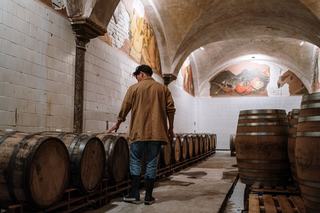
A French winery visit is rarely a quick stop at a tasting bar. At a family estate in Burgundy or the Loire Valley, the winemaker often walks you through the vineyard, opens the cellar, explains the grape varieties and pours five or six wines. That easily takes 60 to 90 minutes, and a visit to a large Bordeaux château with a guided tour of the chai can run close to two hours.
Add the drive between estates, a lunch that the French will not rush, and the time it takes to find a gate in a village with no signposts, and the schedule fills fast. Wine travel writers who plan tours for a living tend to land on the same answer: two to four wineries per day, with three as the sweet spot. One American blogger who spent a week in wine country summed it up as "3 per day is my max", and trip reports on travel forums echo that figure again and again.
Three also protects your palate. After a dozen wines, even with spitting, the nose tires and the fourth tasting of the day tends to leave no memory at all. If you are buying bottles to take home, that matters: the best decisions happen at the first two estates.
A realistic timetable for a wine day in France
Most estates open around 9 or 10 in the morning and close for lunch between noon and 2 pm, sometimes longer in the south. Many small producers only receive visitors by appointment, so the timetable is set by their availability as much as yours. Our guide on how to book a French winery visit before the gates close covers the etiquette and the notice estates expect.
| Time | What happens | Pace tip |
|---|---|---|
| 10:00 to 11:30 | First winery visit: vineyard walk, cellar, tasting | Book the estate you care about most here, while your palate is fresh |
| 11:30 to 12:15 | Drive to the lunch village | Keep the distance under 30 minutes |
| 12:15 to 14:30 | Lunch with local wine, often a set menu | Food and wine pairing counts as part of the experience |
| 14:30 to 16:00 | Second tasting | Choose a different style: white wine after a red morning |
| 16:30 to 17:45 | Third winery, or a wine shop in town | A cooperative or wine shop lets you taste many producers in one stop |
That leaves the evening free for dinner and rest, which matters if you plan several outings in a row. On a longer trip, many travellers alternate a full programme with a lighter one of walking, museums or a boat on the river.
How many wineries per day by wine region
The right number depends heavily on geography. The density of estates and the distances between them change everything.
- Burgundy: villages sit a few minutes apart along the Côte de Nuits and Côte de Beaune, so four short visits are possible, especially with a cycling or walking plan. Tastings of pinot noir and chardonnay are usually small pours in a vaulted cellar.
- Bordeaux: the big châteaux of the Médoc and Saint-Émilion run formal tours with fixed start times, and the distances are longer. Two or three Bordeaux estates per day is the norm; see our region guide to Bordeaux vineyards and wine tourism in the Gironde to group them by appellation.
- Champagne: the large houses in Reims and Épernay offer long cellar tours of an hour or more. Two houses plus one grower is a full day.
- Loire Valley: estates are spread along the river, so plan by section (Touraine, Anjou, Sancerre) and aim for three.
- Alsace and the Rhône: wine route villages are close together and many cellars welcome walk-ins, which makes three or four realistic.
The same logic applies elsewhere in the world. In Napa Valley, visitors often squeeze in four or five tasting rooms, but French estates are smaller, more personal and less geared to a steady flow of guests. Travellers from America, Australia or South Africa who are used to open tasting rooms are often surprised by how long a single French winery visit lasts.
A few seasonal tips help too. In August, many family estates close for their own holidays, while September and early autumn bring the most authentic atmosphere in the vines. For a weekend itinerary, pick one area on the map rather than two: it is simpler to explore the history and culture of one appellation in depth than to discover three in a rush. Book accommodation among the vines, such as a guest room at an estate, and your first visit starts at breakfast. Beautiful villages, vineyard tours on foot and a local market can fill the gaps between tastings without adding more glasses.
Questions travellers ask before a wine day
How many wineries can I visit in a day?
Plan on two to four. Three is the comfortable number for a self-drive day, four works on a guided day tour with a driver and tight distances. Five or more usually means rushed tastings and little time to talk with the winemaker.
What to expect on a wine tour in France?
Expect a vineyard or cellar visit, an explanation of the grape varieties and the soil, and a tasting of several wines, often led by the owner. Many visits are free or charged a modest fee that is deducted if you buy; our page on what French estates charge for a tasting explains the usual practices.
What is the best time for winery visits?
Spring, summer, autumn and winter each have their appeal. Late spring and early autumn offer mild weather and open estates; October brings the harvest atmosphere, but some small producers are too busy to receive visitors during the vendange. Winter visits are quieter and more personal, though some estates close for a few weeks.
How to enjoy wine tastings without losing the thread?
Spit, drink water between estates, eat a real lunch and take notes or photos of each bottle label. Ask the winemaker what they would pair with each wine: it keeps the conversation alive and helps you remember the tasting.
Self-drive or guided day tour?
Driving yourself gives you freedom, but it caps the number of wineries you can reasonably taste at, because the designated driver has to spit everything or skip the tastings. France enforces strict blood alcohol rules on the road, and police checks are common on wine routes during the tourist season; read our summary of the drink driving limit in France for wine tourists before you plan a solo day.
A guided wine tour with a driver changes the maths. The guide handles the bookings, knows which estates welcome small groups and which winemaker speaks English, and the travel time between stops becomes rest time. Private tours for a few people can fit four wineries into a day because the logistics are handled for you. Group tours in a minibus usually stick to three, with lunch included.
Whichever you choose, check dates carefully. Estates close on Sundays and public holidays more often than visitors expect, and some only open for tastings from Easter to the end of October.
Booking tips: emails, confirmations and the fine print
For small family estates, the booking is usually an email or a form on the estate website. Write a short message with your names, the number of people, the date, the time you prefer, the spoken languages in your group and whether you plan to buy wine. Answers can take a few days in busy weeks, so contact estates two to four weeks ahead in high season.
Online booking platforms and tour operators will ask for your email address and phone number; their privacy policy explains how they use it, and it is worth a quick read if you would rather not receive newsletters after your trip. Some estates also send a reminder the day before: reply to confirm, because a winemaker who opens the cellar for you and waits for nobody tends to remember it.
- Leave at least 30 minutes of margin between two winery visits.
- Put the estate you care about most first in the day.
- Plan the midday meal near your second stop, not your first.
- Keep one slot free for a wine shop or a cooperative, where you can taste several producers at once.
Buying wine along the way
A good tasting often ends with a bottle or a case. Buying at the estate is the best way to thank a winemaker for their time, and it is the only way to get some small-production cuvées. Keep the bottles out of a hot car: a boot in August can ruin a white wine in an afternoon. If you visit three wineries a day for a week, shipping home or a sturdy wine case makes more sense than stuffing bottles into your luggage.
Some estates offer gift packaging and will ship within Europe; outside Europe, shipping rules vary by country and it is simpler to ask the estate what they already do for visitors from your region.
The short answer for your trip planning
For a first wine tour in France, plan three wineries per day with a long lunch in the middle, two in Bordeaux or Champagne where visits are longer, and up to four in Burgundy or Alsace if a driver handles the road. Keep one easy stretch in the week, book the key estates in advance, and let the rest stay flexible. That pace leaves time to talk, to taste properly and to come home with wines you actually remember choosing.