
Most French vineyards pick between the end of summer and the middle of October, and a grape harvest experience in France means stepping into that short window: a morning with secateurs in hand, lunch with the pickers, then the cellar where the new wine begins.
- When
- The vendange runs from late August in the south to October in Alsace and the Loire; exact dates follow the ripeness of each vineyard.
- Where to search
- Regional tourist offices, wine route associations and estate websites list guest sessions from spring onwards.
- What you discover
- Cutting technique, the sorting table, the press and the first grape juice of the year, followed by a wine tasting with the team.
What a day picking grapes in the vineyard looks like
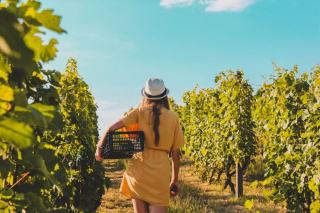
A grape picking session starts early, often around sunrise, because cool grapes reach the winery in better condition and the work is easier before the afternoon heat. The vineyard manager or the winemaker gives a short briefing: how to hold the shears, where to cut the stem, which bunches to drop because of rot or uneven ripeness, and how full a bucket may get before it goes to the porter. Pickers work in pairs, one on each side of the row, so that no bunch is missed.
The rhythm settles after an hour. Buckets go into a hotte, the tall basket carried on the back, or into small crates stacked at the end of the row and driven to the winery. Guests on a grape picker for a day programme usually cut for a morning rather than the full shift of a hired team, then discover the first steps of winemaking: sorting on the table, destemming, pressing for white wine or filling the vats for reds. Tasting the sweet, cloudy grape juice straight from the press surprises most people more than any finished bottle.
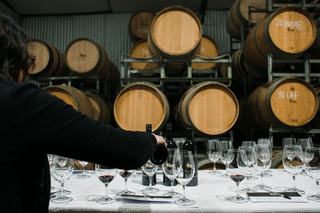
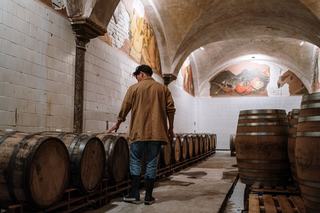
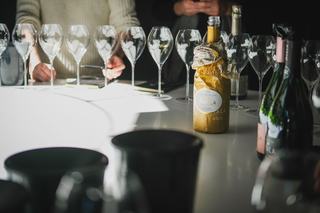
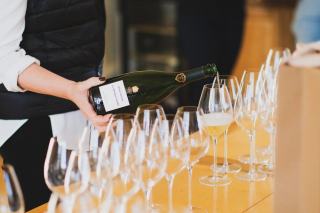
Everything ends around the table. The harvest lunch, built on local produce and served with the domaine's own bottles, is a tradition in every French wine region, and many programmes add a guided wine tasting in the cellar to show what the same grape varieties become after a few years in barrel.
When does the grape harvest season start in each region?
The French grape harvest season has no single start date. Each appellation fixes its own opening, and in many villages the ban des vendanges, an old proclamation once issued by the lord or the town, still marks the start of the harvest with a ceremony. Ripeness decides the rest: sugar, acidity and the state of the skins are checked plot by plot, and a week of rain or heat can move the calendar at short notice.
Warmer seasons have pushed the vendange earlier over recent decades, and in hot years several southern areas now begin before September. Northern and cooler vineyards still pick through September and, for late harvest wines in Alsace or sweet wines in the Loire and Sauternes, well into October. The table gives the usual pattern; treat it as a guide and confirm dates with the estate a few weeks before travelling.
| Area | Usual picking window | How the grapes are picked | Main grape varieties |
|---|---|---|---|
| Languedoc and Provence | End of summer to September | Machines common, manual work on some plots | Grenache, Syrah, Mourvèdre |
| Champagne region | End of summer to the middle of September | By hand only, whole bunches | Chardonnay, pinot noir, Meunier |
| Burgundy | September | Mostly by hand on the best plots | Pinot noir, Chardonnay |
| Bordeaux (Saint-Émilion, Médoc) | September and into October | Machines and teams of cutters | Merlot, cabernet sauvignon, Cabernet Franc |
| Loire Valley | September to October | Both; sweet wines in successive passes through the rows | Chenin Blanc, Sauvignon Blanc, Cabernet Franc |
| Alsace | September to October, later for late harvest wines | Mostly by hand | Riesling, Gewurztraminer, Pinot Gris |
Where to search for grape picking open to travellers
Harvest sessions for the public come in three main ways. Regional tourist offices and wine route associations publish harvest programmes each spring, often bundled with a stay or a guided visit. Individual estates advertise mornings in the rows on their own websites and social pages, sometimes only a few weeks ahead because the date depends on the grapes. Specialist tour operators package the experience with transport and English-speaking guides, a useful option if you prefer a guided wine tour with a driver to navigating rural roads alone.
Places are limited, since a winemaker can only absorb a handful of extra pickers without slowing the team. The best search strategy is to shortlist two or three wine regions, contact the tourist office or the growers directly in spring, and keep the travel dates flexible by a few days on either side. Weekends sell out first. A booking usually confirms a window rather than a fixed date, and the final call comes when the grapes are ready.
Why hand harvesting areas welcome more guests
Manual harvesting is the condition for most tourist programmes. Across much of France, mechanical harvesting now brings in a large share of the crop, especially on the big, flat vineyards of the south and Bordeaux, and a machine leaves no place for an amateur with secateurs. Travellers therefore find most openings where manual work remains the rule or the choice.
Champagne is the clearest case: the appellation rules require whole bunches picked by hand, so the champagne harvest still mobilises large teams at the end of each summer, and the champagne houses and growers have long hosted guests in the rows. The Champagne villages between Reims and the Côte des Blancs make a good base for a first morning in the rows. Beaujolais, where whole bunches are needed for its traditional fermentation, also relies on manual cutting. In Burgundy, the small walled plots of the Côte d'Or and the value of the pinot noir crop keep many small family growers faithful to the basket and the blade, and steep sites such as the terraces of the northern Rhône or Banyuls cannot take machines at all.
Manual cutting also explains the art that newcomers learn quickly: a picker cuts the stem, not the bunch, discards damaged berries on the spot and avoids crushing the fruit in the bucket. These gestures shape the quality of the sparkling wine or the red that follows.
Grape picker for a day or paid seasonal work?
A tourist session and seasonal employment are two different things. The first is a paid leisure activity: a few hours in the rows, a meal, a tasting, no obligation to come back the next morning. Real harvest work means hiring as a seasonal grape picker under French labour law, usually through the specific contrat vendanges, with full working days for the length of the vendange, early starts and physical strain that builds over the days.
For travellers wondering how to find work during harvest time, the routes are the national employment service France Travail, regional farm vacancy boards, cooperative cellars and direct applications to growers from early summer. Some employers offer board and lodging to their pickers, many do not. Citizens of countries outside the European Union need the right to work in France before they sign anything; a tourist visa does not cover paid work. Anyone simply hoping to join the vineyard team for a day or two should book a tourist programme instead, which asks nothing of your back beyond a morning.
Harvest festivals and the end of the vendange
The end of the vendange has always called for a celebration. Growers traditionally hold a final meal for the whole team, known as the paulée in Burgundy and the cochelet in Champagne, when the last load reaches the press. Several towns turn the season into a public harvest festival. In Saint-Émilion, the Jurade proclaims the ban des vendanges from the top of the King's Tower each September; in Paris, the Fête des Vendanges de Montmartre celebrates the tiny Clos Montmartre vineyard every October with parades and food and wine stalls. Many wine villages also sell vin bourru, the cloudy, barely fermented new wine, in autumn.
Timing a trip around one of these events adds a festive evening to a vineyard stay. The calendar of wine festivals in France worth the trip lists the main dates by region, and the same weeks are the busiest for rooms.
Packing for the rows and staying near the vines
Harvesting means bending, crouching and carrying full buckets for hours, in sun or drizzle. A short list covers what matters:
- old clothes and sturdy closed shoes that can get muddy and sticky;
- a hat, sunscreen and a water bottle for warm mornings;
- light gloves to protect hands from the blades and from wasps;
- a waterproof layer in case of rain;
- a change of clothes for the lunch or the cellar visit afterwards.
Anyone with back or knee problems should mention them when booking: many hosts can offer lighter tasks such as sorting grapes on the table. Rooms near the vineyards fill quickly at harvest time, and sleeping on site saves a pre-dawn drive while opening the door to the evening meal. Options for château wine stays by region are worth comparing as soon as dates are known, since a harvest lunch with local wine is a good reason not to drive afterwards.
Children, rain and language on a picking day
Can children take part in grape picking?
Children can join many visitor programmes, usually from school age and under an adult's watch, because the shears are sharp. Some hosts set a minimum age, so check when booking.
Is grape picking cancelled when it rains?
Light rain rarely stops grape picking, but storms or heavy rain can delay it, since wet grapes dilute the juice and make the rows slippery. Hosts usually move the session to another date or offer a cellar visit and tasting instead.
Do you need to speak French to join a harvest?
French is not required for tourist programmes: many hosts in Champagne, Bordeaux and Burgundy run sessions with English guided commentary, and the cutting itself is learned by watching. A few words of French are welcome at the lunch table.