
A vinotherapy spa in France usually sits on a working wine estate, and the first one opened in 1999 at Château Smith Haut Lafitte, near Bordeaux, where Les Sources de Caudalie still offers a barrel bath, grape seed scrubs and facial rituals built on vineyard ingredients.
Vinothérapie, the word Caudalie coined for its spa, means skin and body care made from vine and wine by-products, not from drinking wine. The chateau spa at Martillac remains the reference; other estates in Champagne, the Jura, Alsace and Burgundy now pair a hotel stay with a bath, a scrub and a tasting in the cellar.
What vinothérapie uses: seeds, marc and vine shoots
Vinothérapie draws on the parts of the vine that winemaking leaves behind. After pressing, the grape marc (skins, pips and stalks) still holds polyphenols, the antioxidant compounds that also give red wine its colour and tannin. Cosmetic laboratories extract these molecules, along with resveratrol from the vine and oil pressed from the pips, and turn them into scrubs, masks, massage oils and bath preparations.
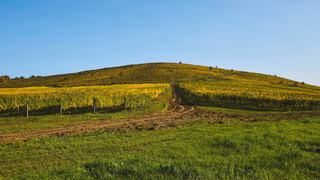
A wine spa session therefore smells of the cellar but involves no drinking, unless the estate adds a tasting afterwards. Heat plays its part too: at Les Sources de Caudalie, the brand says a natural hot spring found deep beneath the estate supplies the pools and baths. Other spas rely on an ordinary heated pool and on the vineyard ingredients alone. The setting does the rest: treatment rooms often open onto the rows of vines, and a spa day can end with a walk through the plots that produced the extracts.
Les Sources de Caudalie, the estate where wine therapy began
Les Sources de Caudalie sits at Martillac, in the Pessac-Léognan appellation south of Bordeaux, on land owned by Florence and Daniel Cathiard, who also own Château Smith Haut Lafitte, a classified growth of Graves. Their daughter Mathilde and her husband Bertrand Thomas founded the Caudalie beauty brand in 1995, after a researcher from the Bordeaux faculty of pharmacy pointed out the antioxidant value of the seeds discarded during the harvest. The hotel and its Vinothérapie spa followed a few years later.
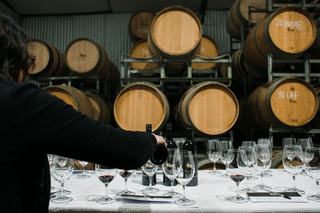
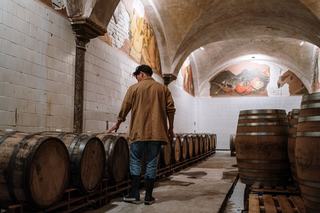
The estate combines a five-star hotel, a spa with signature care, a pool and a hammam, two restaurants (the gourmet table La Grand'Vigne and the more relaxed La Table du Lavoir) and the estate cellars a short walk away. Guests can book a treatment without staying overnight, but most visitors combine a night or two with a tour of the chateau and its barrel cellar, which makes the estate one of the classic addresses for wine accommodation in France. The spa menu changes with the seasons; the current list, opening hours and conditions appear on the official Sources de Caudalie website, which is the only reliable place to check them before you travel.
Other wine spas across French vineyards
Wine spas outside Bordeaux follow the same idea with local flavour. In Champagne, the Royal Champagne Hotel and Spa at Champillon overlooks the slopes above Épernay and combines spa access with visits to the houses of the Marne valley. In the Jura, Château de Germigney at Port-Lesney promotes a stay mixing wellness and the wines of the region; Port-Lesney, a village on the Loue river, makes a quiet base to explore the vineyards of Arbois. Several of these estates also welcome children, so parents can book a session between kid-friendly family wine visits. Alsace, Burgundy and Provence also have estate hotels and spa towns where a wine-themed ritual sits on the menu next to classic massages.
Caudalie itself lists its Vinothérapie spas and boutique spas on its website, a practical directory of wine spas carrying its products in France and abroad. Independent spas sometimes use other brands of vineyard beauty products: the treatment names change, the principle of seeds, marc and vine extracts stays the same. Before booking, check whether the spa belongs to a wine estate or simply buys the products, since only the first gives you the cellar and the tasting on the same site.
Treatments on a typical spa menu
Spa menus in French wine country offer four families of care, often sold as a half-day or full-day ritual that links several of them.
| Treatment | What it involves | Typical length |
|---|---|---|
| Barrel bath | A soak in a tub shaped like a wine barrel, with vine extracts and essential oils added to warm water | Short, often the opening step of a ritual |
| Seed or crushed Cabernet scrub | Exfoliation with crushed pips, sugar or honey, then a rinse | Short to medium |
| Body wrap | A mask of marc, wine yeast or honey applied to the body, then wrapped to keep in the warmth | Medium |
| Massage and facial treatment | Massage with oil pressed from the pips; facial using polyphenol or resveratrol serums | Medium to long |
Durations and exact recipes vary from one estate to the next, so read the list of rituals before choosing one and tell the therapist about any sensitivity or allergy to the ingredients.
Benefits: what the science supports and what remains marketing
The benefits of a vinotherapy ritual come first from the chance to relax: a warm bath, a massage and a quiet vineyard landscape. Laboratory studies show that grape polyphenols and resveratrol are antioxidants, which explains their place in anti-ageing creams such as the Caudalie Resveratrol Lift range. Applied in a spa session, these products leave the skin softer and smoother, as any good scrub and moisturiser would. No treatment replaces medical care, and claims of detox or weight loss remain marketing language. Pregnant guests and people with skin conditions should ask the spa which treatments suit them.
Planning a spa break around cellar visits
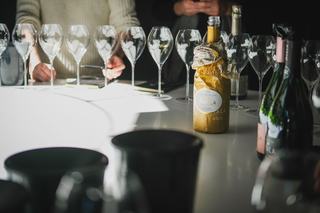
A spa break fits easily into a wider wine tourism trip. Spend the morning on nearby estates and their tastings, then keep the afternoon for the spa. Many estate hotels pair the treatment rooms with a gourmet restaurant, so the day runs from cellar to massage table to dinner without moving the car, and in September and early October it is worth joining the grape harvest in France before a facial or a massage soothes tired hands.
Booking two or three nights with spa access included is often the simplest formula, and it lets you discover the region at a slower pace, from chateau rooms to gîtes among the vines. Travellers who prefer to move between vineyards by water can look at wine boat cruises on the Gironde, the Rhône or the canals of Burgundy, which stop close to several spa estates.
Before booking a wine spa: drinking, timing and skin
Does a vinotherapy treatment involve drinking wine?
Care relies on vine extracts rather than wine, and nothing is served to drink during the session. The products come from seeds, marc and vine extracts; a tasting, if offered, is a separate activity after the session.
When is the best season for a wine spa stay?
Spring and autumn combine mild weather with open cellars. The harvest period is busy and bookings fill early, while winter brings quieter estates and easier availability.
Can you visit a spa without staying at the hotel?
Many estate spas, including Les Sources de Caudalie, accept outside guests for a treatment or a day package, subject to availability; confirm the conditions directly with the spa.