
Provence vineyards make mostly rosé, about nine bottles in ten according to the Provence wine council (CIVP), yet this wine region in the south of France also hides firm red and mineral white wines. A vineyard tour here is a full experience: tastings in family cellars, hill villages near Aix, the coast.
- Main areas
- Côtes de Provence vineyards around Les Arcs and Lorgues in the Var, Coteaux d'Aix and Sainte-Victoire, Bandol and Cassis on the sea: the heart of wine tourism in Provence.
- Best months
- May to early October, with the harvest from late August.
- Practical point
- Smaller domaines receive visitors by appointment, so book a day or two ahead in summer.
How far the Provence wine region stretches
The Provence wine region runs for about 200 kilometres, from the Rhône delta near Arles to the hills behind Nice. Most of the land under vine sits between the limestone ridges of the Sainte-Baume, the crystalline Massif des Maures and the Mediterranean. Dry summers, long hours of sunshine and the mistral wind, which dries the grapes after rain, keep disease pressure low: Provence counts a large share of organic estates for that reason.
Three large appellations cover most of the vineyard area, and a handful of small ones carry the most distinctive wines. Labels often add a terroir name to Côtes de Provence, such as Sainte-Victoire, La Londe, Fréjus, Pierrefeu or Notre-Dame des Anges, which tells you where the fruit was picked. The label also shows the AOC, written AOP under European rules: the same protected name, located on a defined map of plots.
| Appellation | Where | What to taste |
|---|---|---|
| Côtes de Provence | Var, from Saint-Tropez to Les Arcs, plus pockets near Aix and Nice | Pale dry rosé, some cellar-worthy reds |
| Coteaux d'Aix-en-Provence | Between the Durance and the Étang de Berre | Rosé, Grenache and Cabernet Sauvignon reds |
| Coteaux Varois en Provence | Cooler hills around Brignoles | Fresher rosé, light reds |
| Bandol | Terraces above the coast west of Toulon | Mourvèdre reds built for ageing |
| Cassis | Slopes around the port east of Marseille | Mineral whites with Marsanne and Clairette |
| Les Baux-de-Provence | Alpilles, south of Saint-Rémy | Reds and rosé, mostly organic farming |
| Palette and Bellet | Outskirts of Aix and of Nice | Rare whites and reds from tiny areas |
Which grape varieties grow in Provence?
Provence grape varieties are mostly Mediterranean: Grenache, Cinsault, Syrah and Mourvèdre make the bulk of the rosé and red blends. Cinsault gives the pale colour and lightness that buyers expect, Grenache the round fruit, Syrah the spice. Tibouren, a local variety rarely planted elsewhere, still turns up in old Côtes de Provence blends around Saint-Tropez.
The same southern varieties fill the vineyards of the Rhône Valley estates of Châteauneuf-du-Pape and Gigondas, about an hour north of Aix, though the blends there lean towards Grenache and red wine. White varieties cover a smaller share in Provence. Rolle, known in Italy as Vermentino, leads in the Côtes de Provence, while Ugni Blanc, Clairette, Marsanne and Sémillon complete the blends at Cassis and Palette. Cabernet Sauvignon, brought in during the twentieth century, appears in some Coteaux d'Aix and Baux reds, where it adds structure. Asking the grower which varieties went into each cuvée is a good way to taste how a blend changes from one estate to the next.
Rosé country around Les Arcs, Lorgues and Vidauban
The heart of the Côtes de Provence lies in the Var, along the valley of the Argens. Les Arcs-sur-Argens hosts the Maison des Vins Côtes de Provence, where a long counter of bottles from many producers helps you compare styles before choosing which domaines to visit. Lorgues, Vidauban, Taradeau and La Motte are a short drive apart, and their estates are used to welcoming visitors, often with English-speaking staff.
Tastings in this part of Provence usually happen on shaded terraces facing the vines. Beyond the classic pale rosé, look for cuvées aged in large casks and for the red wine that most estates still make in small volumes. Further south, the peninsula of Saint-Tropez and the Massif des Maures mix seaside estates with forest roads; Château de Berne, located north of Lorgues, combines tastings, a hotel and a restaurant on one large property, an ideal stop on a tour of the Var. The Berne estate is one of many where you can sleep among the vines; the comparison of château wine stays region by region shows how Provence compares with Bordeaux or Burgundy.
Wineries around Aix-en-Provence and Sainte-Victoire
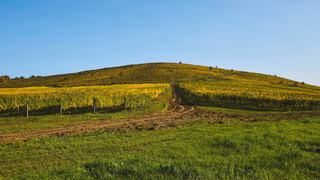
Wineries around Aix-en-Provence fall into three groups. To the east, the Côtes de Provence Sainte-Victoire vineyards climb the foot of the limestone mountain painted by Cézanne, where cooler nights give rosé more tension. Growing vines on these stony slopes is harder work, and a visit lets you discover how the mountain shapes the taste of each cuvée. To the west and north, the Coteaux d'Aix-en-Provence spread over gentle land towards the Durance, with domaines that make as much red as rosé. On the edge of the city, Palette is one of the smallest appellations in France; Château Simone, its best-known estate, has worked the same terraces for generations.
Aix makes a convenient base for a vineyard visit: half-day routes reach Puyloubier, Trets or Rognes and return for dinner in town. Further west, Les Baux-de-Provence produces reds from estates that turned to organic and biodynamic farming early, set among the olive groves of the Alpilles where mills sell their own olive oil.
Bandol and Cassis on the coast
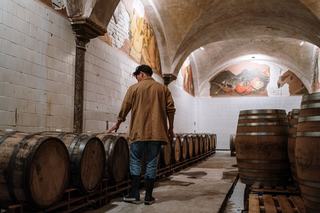
Bandol is the Provence appellation for serious red wine. Its rules require at least half Mourvèdre in the red blend and a long ageing in wood, which gives dense, savoury wines that need years in the cellar. The vineyards climb stone terraces, called restanques, above the sea between La Cadière-d'Azur, Le Castellet and Sanary. Cellar visits here are more intimate than in the larger Côtes de Provence properties, and booking directly with the domaine works best.
Cassis, one of the first French appellations, recognised in 1936, sits around a fishing port east of Marseille, framed by the Calanques and the Cap Canaille cliffs. Its white wine, made from Marsanne, Clairette and Ugni Blanc, is the local match for seafood. A glass on the harbour after a walk in the Calanques is a classic Provençal afternoon.
Booking a wine experience in Provence
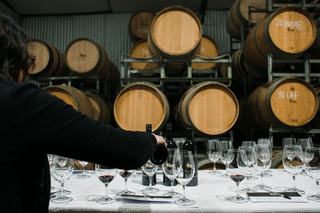
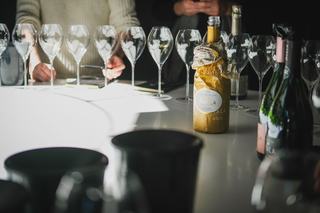
Booking a wine experience in Provence depends on the size of the estate. Large châteaux run a tasting room with fixed opening hours and paid formats such as vineyard walks, food pairings or blending workshops. Small family domaines open their cellar by appointment, especially from July to August when the owners are busy in the vines. A phone call or an email the day before usually secures a slot.
Some estates offer a free tasting, others charge a fee refunded on purchase; the rules on tasting fees at French wineries vary more than visitors expect. Keep to three or four estates a day so that each visit stays enjoyable. Roads between villages are short but winding, so pick a designated driver or join a guided wine tour with a driver and a local guide, a common choice from Aix, Marseille and Saint-Tropez.
Staying in a vineyard
A stay in a vineyard makes early tastings and evening walks among the vines easy. Options range from guest rooms in a working farmhouse to château hotels with a pool, a spa and a restaurant, and many domaines producing rosé also rent a holiday cottage by the week. Lorgues and the villages around Aix allow day trips to several areas without changing hotels, while a coastal base near Bandol suits travellers who want the beach as well.
When the vineyards are at their best
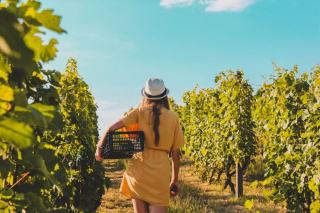
Vineyards in Provence are at their best from May to early October. In spring the vines flower and estates reopen their terraces; in July and August the heat is strong and the coast is crowded, so morning visits are more pleasant. The harvest starts in late August for rosé and runs into September, when some domaines invite visitors to watch the picking or join the harvest meal. Winter visits are possible but many small cellars close or open only on request, and the mistral can blow for several days in a row.
Provençal food at the table with the wines
Provençal cuisine is a natural partner for the local wines. A chilled rosé goes with grilled fish, tapenade, stuffed vegetables and ratatouille. Bandol red wine suits lamb, daube and dishes with herbs and olives, while the whites of Cassis are a classic match with bouillabaisse and shellfish. Morning markets in Aix, Lorgues or Saint-Rémy are the best place to buy cheese, bread and olives for a picnic near the vines.
Linking Provence with the Rhône and the Riviera
Provence sits next to other wine destinations, which makes a longer route easy. The southern Rhône lies to the north-west, along the Rhône river, so a wine tour can continue from Aix towards Avignon and the Côtes du Rhône. To the east, the Bellet vineyards on the hills of Nice give a reason to stop on the French Riviera, and ferries from Toulon, Marseille or Nice reach Corsica and its island wines.
Provence estate visits: children, cost and driving
Can children come to a Provence winery visit?
Most domaines in France welcome families: children can walk in the vines and some cellars serve grape juice during the tasting. Workshops and guided walks are often open to all ages.
Do you need to buy wine after a tasting?
Buying is never compulsory, though a bottle is a polite thank you after a free visit at a small domaine. Many estates ship cases abroad.
Is it safe to drive between estates?
Driving is possible if the driver spits at every tasting and stays under the French legal limit. A designated driver, a bicycle on the flatter routes or a guided tour are the safer options.